

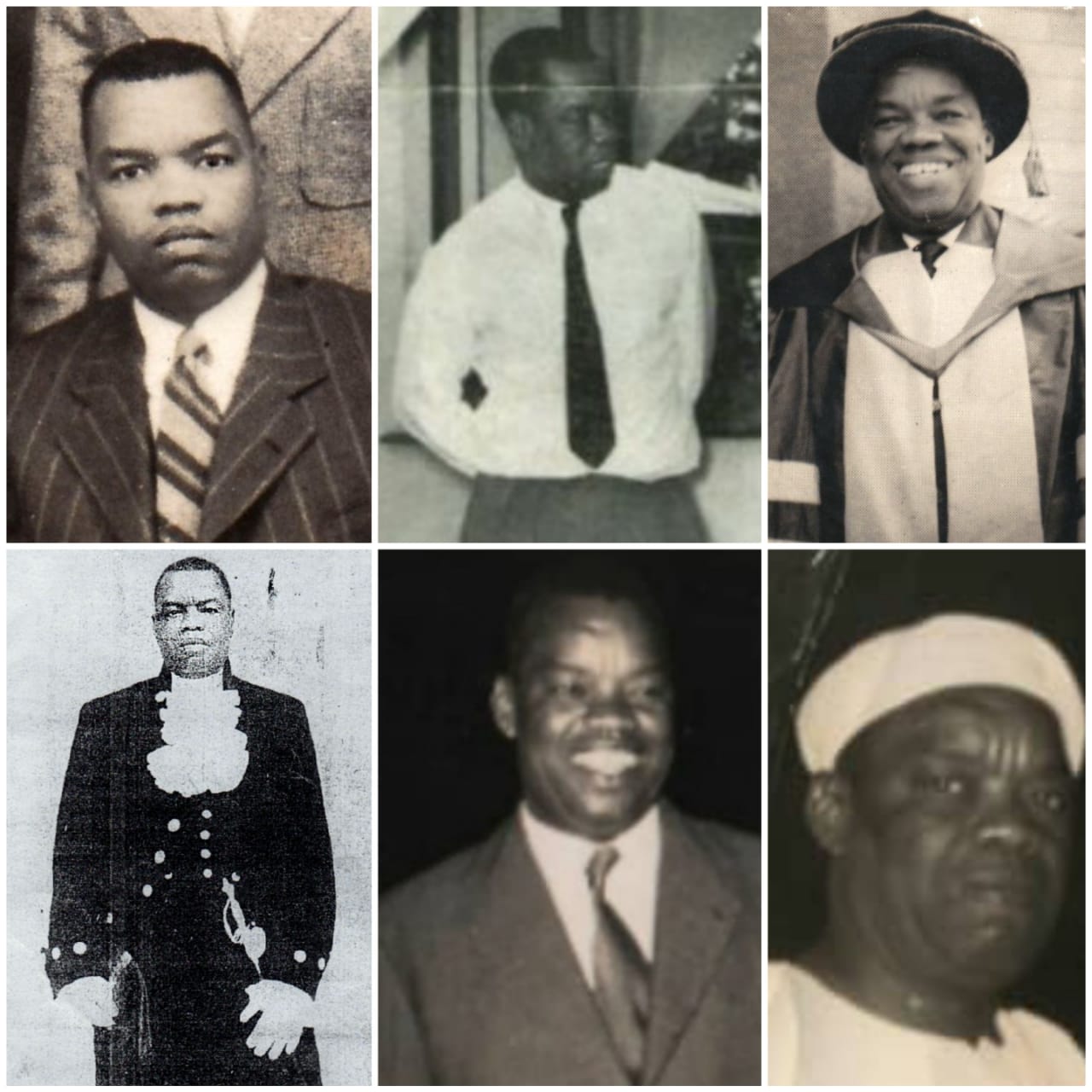
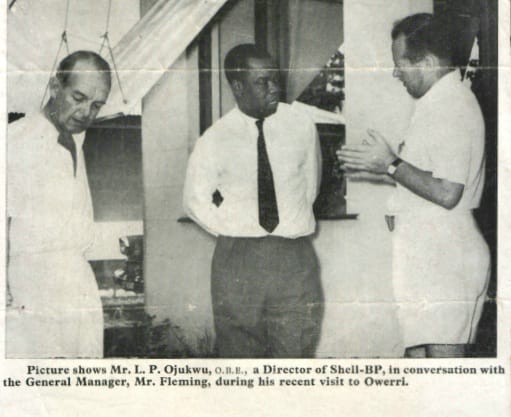
Sixty years after death, Sir Louis Philip Odumegwu Ojukwu remains a name that refuses to disappear from Nigeria’s business, educational and philanthropic history.
From the transport company he founded to institutions he helped build, and from scholarships to the family values he enforced, the imprint of the Nnewi-born business mogul continues to be felt long after he died at Nkalagu in the then Eastern Region on September 13, 1966.
This year, as family members, friends and associates mark the 60th anniversary of his death, the emphasis is not expected to be on elaborate ceremonies.
Rather, the family says the year-long commemoration will be low-key,intending to reflect the values that defined the man — enterprise, education, discipline, service and philanthropy.
According to one of his grandsons and a Director of Ojukwu Transport Limited, Dr P. Ike Ojukwu, an Obstetrician and Gynaecologist, the family has booked Mass in his memory, while other activities will be spread across the year.
“Sixty years is a long time,” he said, explaining the decision for a relatively modest commemoration.
But six decades have done little to diminish the institutions and initiatives associated with the late business mogul.
OTL, the company he founded, is part of the anniversary programme. So too is the University of Nigeria.
Sir Odumegwu Ojukwu Hall at the Enugu Campus was named in his honour. The annual Sir LP Odumegwu Ojukwu prizes for the best graduating students in the Faculty of Business Administration and the Department of Estate Management/Surveying are also being sustained.
The prizes have been revised upwards this year, with the current winners urged to contact OTL. The university authorities have been notified.
For the family and the Company, maintaining such initiatives is more meaningful than simply looking back at the achievements of their patriarch.
Plans relating to a proposed memorial hospital, scholarships and other charitable obligations are also being addressed as part of the continuing effort to preserve his legacy.
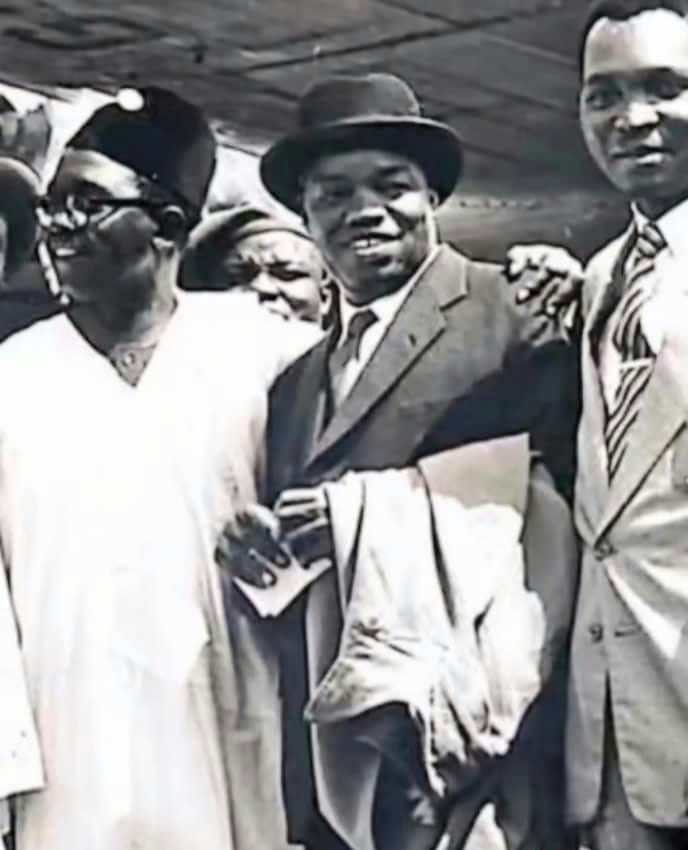
Ojukwu’s connection with the University of Nigeria was rooted in the early history of the institution.
The University,a brainchild of the late Right Honourable Dr Nnamdi Azikiwe, The Owelle of Onitsha, who was a close friend of Ojukwu. Its establishment was funded mainly by the Eastern Nigeria
Regional Government, with Ojukwu, who served as chairman or director of several government agencies and Chairmanof The African Continental Bank playing a significant role in the mobilisation of funds.
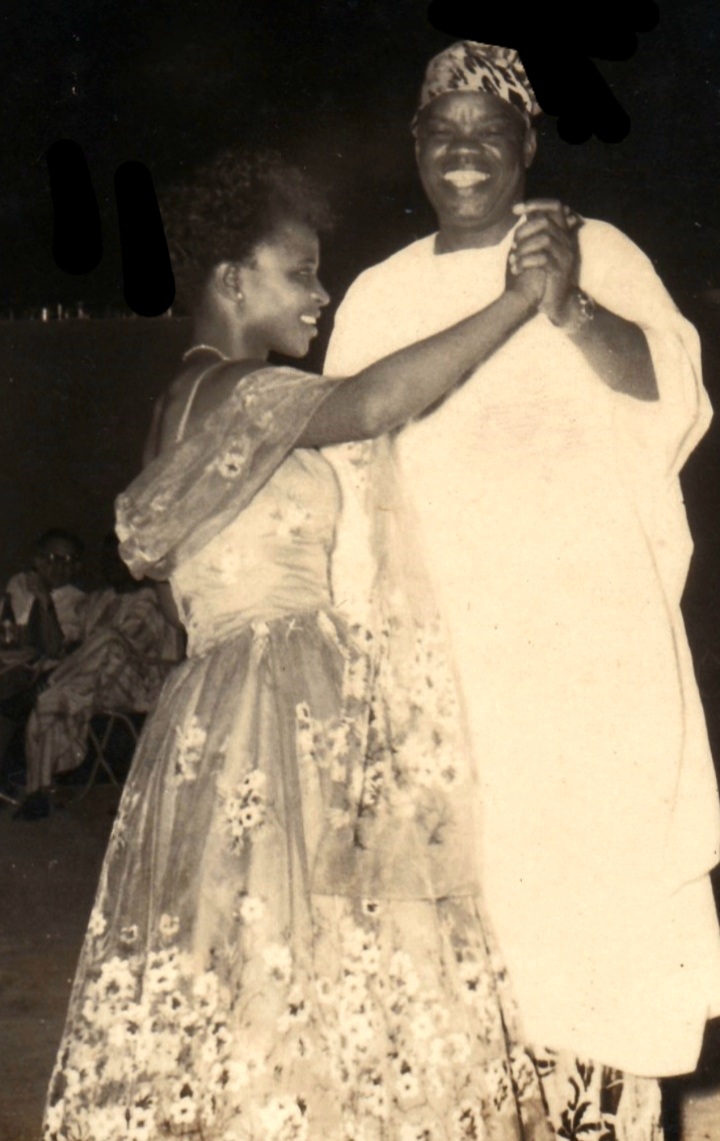
In recognition of his contributions, the University of Nigeria conferred an honorary Doctor of Laws, LLD, degree on him in the early 1960s.
But the story of Ojukwu is not simply the story of a wealthy businessman who occupied influential positions.
For those who knew him, his greatest legacy may have been the way he deployed his resources and influence to build people.
Born in 1909 and from Umudim, Nnewi,Sir Odumegwu Ojukwu was the sixth of the 10 sons of Ojukwu Eze Okigbo and the only son of his mother, Ukonwa’s four children.
His sisters became Mrs Nwosu,Mrs Okoli and Mrs Obi.
Following the death of their parents, he gladly took on responsibility for his sisters,
especially the education of his two younger sisters while still struggling in his late twenties.
One incident illustrates the importance he attached to education.
When his youngest sister performed exceptionally well in her annual examinations, the young Ojukwu wrote to her principal requesting double promotion.
The request, beyond recognising her academic ability, was also intended to reduce the total expenditure in school fees.
That combination of discipline and investment in education became a recurring feature of his family life.
He instructed that his wards should be supported until “Ubulu fa emechie” — the brain closes or shuts down.
He sponsored or trained at least one of most of his brothers’ children but imposed an obligation on the beneficiary after completing the training: like his own children, the beneficiary was expected to support and train another relative in addition to responsibility for their own mothers.
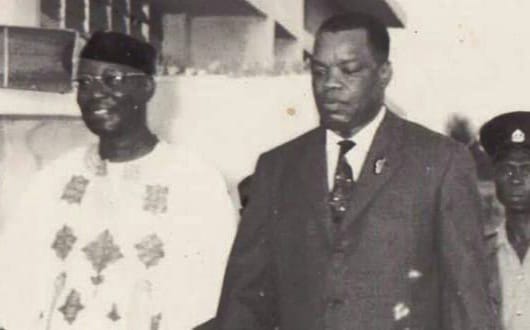
His expectations of his own children were no less demanding.
A poor report card could invoke his fury, while success brought overwhelming joy and pride.
Although his sons lived and attended school on Lagos Island during their primary and secondary school years, he insisted that their holidays were spent with his sisters in Nnewi, Onitsha or Port Harcourt, or with his cousin, Felix Okonkwo, popularly known as Okonkwo Kano, in Kano.
Family members remember a man who could be strict with money because he understood the value of hard work, yet was generous when it came to education and the welfare of those under his care.
Known in his younger years as LP — Louis Philip — he elected to use his Igbo name, Odumegwu when knighted by the Queen in the early 1960s. He reportedly made the choice in part to avoid a clash with the appellation of his friend, the Chief Justice, Sir Louis Mbanefo.
Sixty years on, the memories remain remarkably consistent. Surviving relatives, friends and associates describe him as honest, disciplined, energetic, kind, strict and generous — but above all, a man who believed that education was one of the most enduring investments a person could make.
That belief may ultimately prove to be among the most durable parts of his legacy. For while the businessman died six decades ago, the institutions bearing his name, the people he helped educate and the values he passed down continue to tell the story of a man whose influence survived his lifetime.