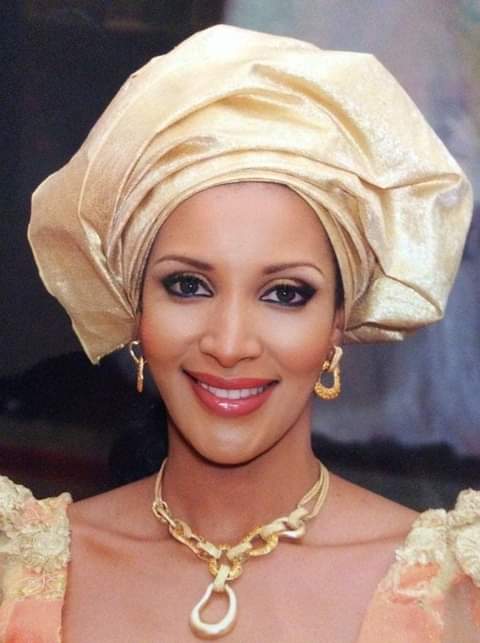


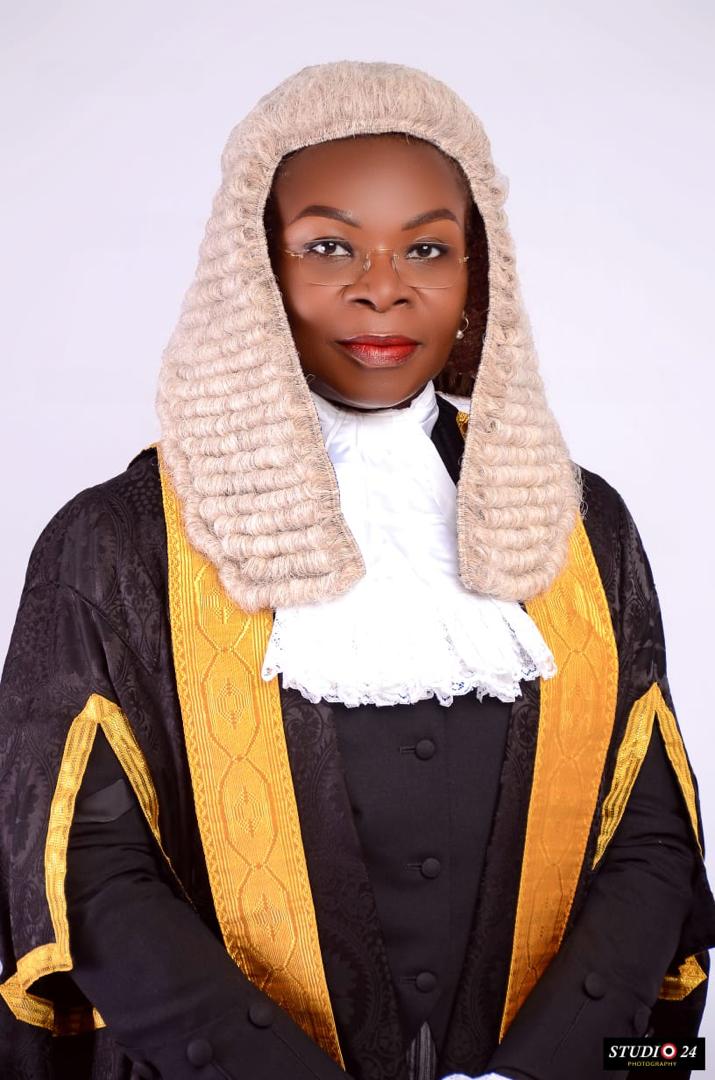
Mrs. Boma Alabi, SAN, is a former President of the Commonwealth Lawyers Association (CLA), making history as the first female lawyer and the first Black person to be elected to the office. She is also the immediate past Chairman of the Nigerian Bar Association Section on Legal Practice (NBA-SLP).
In this interview, she speaks on key issues surrounding the forthcoming NBA elections, including regional endorsements, the credibility of the electronic voting process, universal suffrage, the Attorney-General’s intervention, eligibility for the NBA presidency, and the prospects of a female president emerging for the Association.
What is your view on the adoption of candidates by regional forums?
Thank you for that question. The truth is that this practice belongs to the dark ages, not 2026. Adoption by regional fora may have had some utility in the past, but in today’s NBA it has become more divisive than unifying.
Particularly, it is often based more on tribe than genuine regional representation. As a lawyer practising in Lagos, for instance, Egbe Amofin does not speak for me and I have no representation in that association.
Lawyers across the country want to exercise their individual choice, not be told who to support by blocs. Adoption risks alienating members and undermining the democratic spirit of the Association. At this point in our history, open competition, free choice and universal suffrage are far more salutary than regional endorsements.
There have been concerns about the choice of the IT company for the elections. What is your position?
The credibility of our elections rests heavily on the IT company chosen to manage the process. If the selection is not transparent, it naturally breeds suspicion.
Any choice can be faulted if the procurement process was opaque, if the company lacks proven expertise in secure electronic voting, or if there are conflicts of interest. What we need is not just competence but also trust. The perception of impartiality is as important as technical capacity.
Having said that, there are tools available to monitor the process and ensure it is not compromised, and any candidate who has reservations should take the necessary steps now. Digital activities always leave footprints that can be identified.
Where do you stand on the delegates system versus universal suffrage?
I stand firmly on the side of universal suffrage. The NBA is a diverse body and every lawyer deserves a voice in choosing its leadership.
The delegates system concentrates power in the hands of a few, which is contrary to democratic ideals. Universal suffrage may be more complex to administer, but with the right IT infrastructure, it ensures inclusivity and legitimacy.
What is your reaction to the memo from the Office of the Attorney-General of the Federation concerning the elections?
It raises serious concerns about autonomy. The NBA is an independent professional body and its elections should be managed internally.
Unless there is clear and compelling evidence of malpractice, halting the process on external directives risks undermining our independence. Transparency concerns should be addressed by the NBA itself, not imposed from outside.
Should the office of NBA President be reserved exclusively for Senior Advocates of Nigeria (SANs)?
Leadership of the NBA should never be, and has never been, the exclusive preserve of SANs.
We have had examples that demonstrate this clearly. Olumide Akpata is not a SAN. The presidency is about vision, integrity and service. Restricting it to SANs would be undemocratic and elitist. Every qualified lawyer should have the opportunity to lead, regardless of title.
Do you support the emergence of a female NBA President?
Absolutely. I would advocate for the emergence of a female president. The NBA has yet to elect a woman to its highest office despite the immense contributions of female lawyers to the profession.
Supporting female leadership at this point in history would reflect progress, inclusivity and the evolving role of women in our profession. It would inspire younger lawyers and demonstrate that the Bar truly values diversity at the highest level.
Having said that, when I was called to the Bar in 1988, we were told there were no women at the Bar and so I became a “Bar man.” However, I would always put competence before gender.
Where there is a competent female candidate, as we undoubtedly have in this case, then diversity becomes a legitimate and serious consideration.