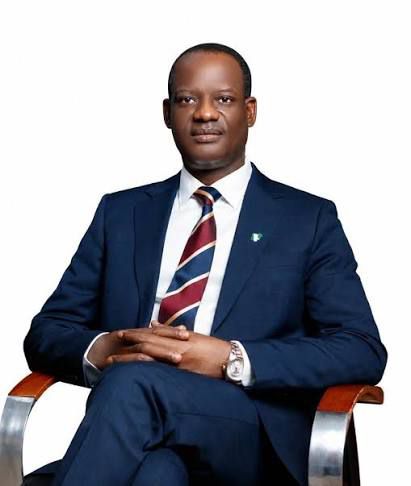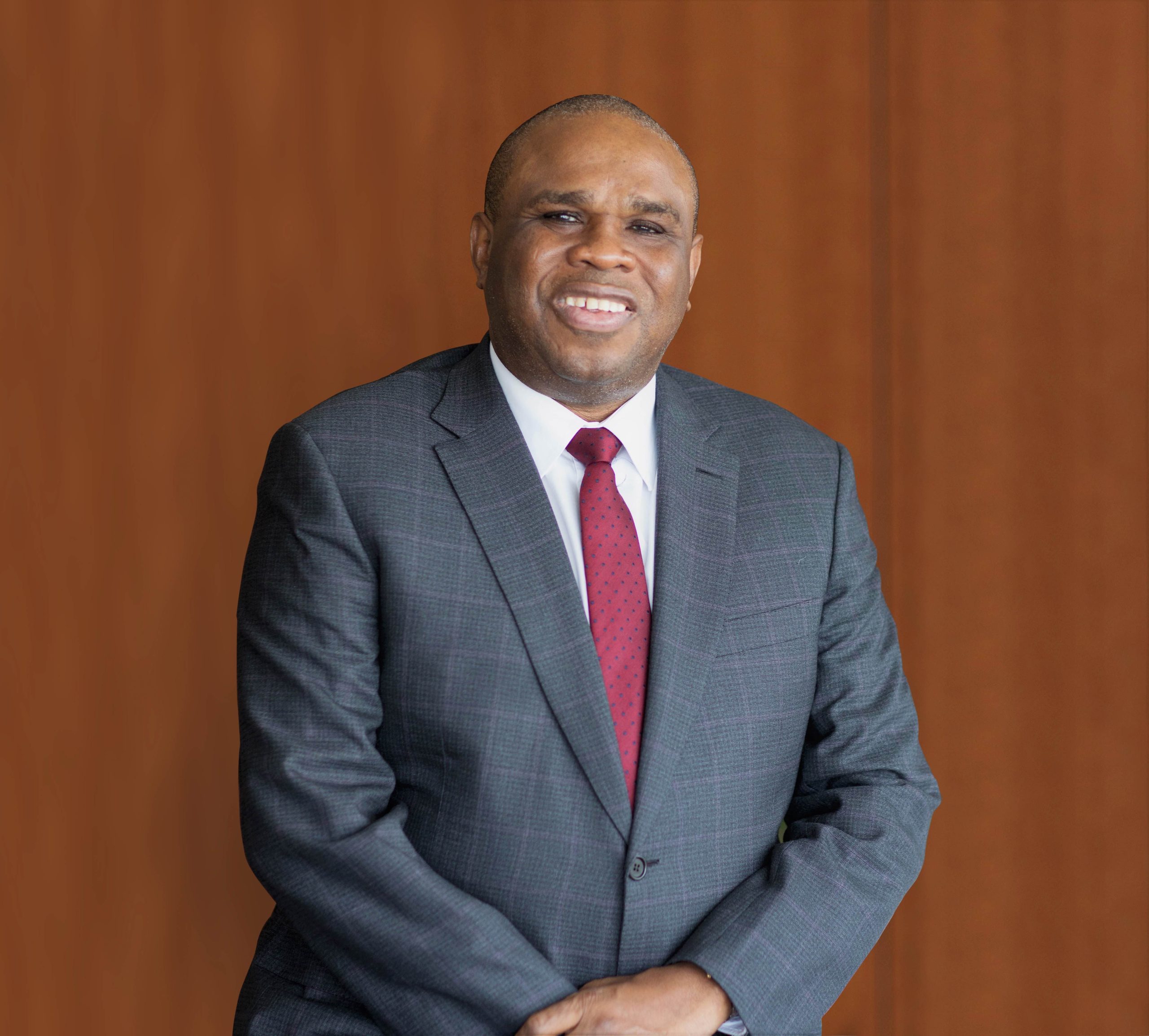



The Minister of Finance and Coordinating Minister of the Economy, Mr. Taiwo Oyedele, has described public trust as a critical economic asset, stressing that responsible communication, institutional credibility and transparency are essential to building confidence, attracting investment and sustaining economic reforms.
Oyedele made this submission while delivering an address at the Global Alliance World Public Relations Summit in Abuja, where he called on governments, businesses and communication professionals to recognise the economic consequences of misinformation and the importance of credible public engagement.
He noted that while economic policy often focuses on conventional currencies and financial indicators, trust remains the underlying currency that determines whether citizens cooperate, businesses invest and difficult reforms receive public acceptance.
According to a statement by Maryann Duke, Senior Special Assistant on Communications and Press Secretary to the Minister of Finance and Coordinating Minister of the Economy, the Minister said that communication alone cannot compensate for poor institutional performance, emphasising that government policies must translate into tangible improvements in citizens’ lives.
He stressed that public confidence is built not merely by what institutions say, but by what they consistently deliver.
Using Nigeria’s October 2026 inflation rate of 14.06 per cent, its lowest in six years, as an example, Oyedele highlighted the communication challenge of explaining economic indicators in ways that reflect citizens’ everyday experiences.
He clarified that declining inflation means generally prices are rising more slowly, not necessarily falling, noting that the disconnect between economic statistics and public perception can undermine confidence and influence price expectations.
The Minister also warned that misinformation, amplified by social media monetisation and increasingly sophisticated artificial intelligence tools, poses significant risks to policy implementation, investor confidence and economic stability.
READ ALSO: Police arraign company’s ex-COO over alleged N605m forgery, diversion
He observed that misleading narratives can travel faster than official clarifications, sometimes turning well-intentioned reforms into sources of public anxiety.
He urged public relations professionals to become integral to policy development from the outset, rather than being brought in only to manage public reactions after decisions have been made. This, he said, requires institutions to listen to citizens, test assumptions, anticipate concerns and communicate policies clearly and proactively.
Oyedele further challenged media organisations, publishers, broadcasters, influencers and communication practitioners to uphold the same standards of evidence in reporting both positive and negative developments, placing public interest above sensationalism and the pursuit of online engagement.
He described the economic consequences of distorted narratives as a “narrative cost”, encompassing lost investment, higher borrowing costs, delayed reforms and the loss of talent and confidence in the country’s future.
The Minister called on public and private institutions represented at the summit to identify and address specific gaps between their public commitments and citizens’ actual experiences, with measurable actions and clear timelines.
He encouraged delegates visiting Nigeria to look beyond prevailing headlines, experience the country firsthand and become informed ambassadors of its opportunities and progress.
“The most valuable currency for any economy, any enterprise, any society, is trust,” Oyedele said, urging communication professionals to measure success not merely by media impressions, but by the extent to which their work strengthens public understanding and makes institutions more deserving of public confidence.